
The Fall of a Brother Inside the Paul Caneiro Case
Before the headlines, before the fires and sirens, the Caneiro family looked like a suburban success story. Two brothers. Growing businesses. Big houses in quiet neighborhoods. The kind of life that suggests everything is under control.
It was not.
On a cold November morning in 2018, flames tore through a sprawling home in Colts Neck, New Jersey. Firefighters arrived expecting a routine house fire. What they found instead was a crime scene so violent it stunned even veteran responders. Four members of one family had been murdered inside their own home.
The victims were Keith Caneiro, his wife Jennifer, and their two young children. The man prosecutors would soon accuse of killing them was not a stranger, not a burglar, not some faceless threat from the outside. It was Keith’s own brother.
Paul Caneiro had once been Keith’s closest partner in business and in trust. Together they built companies, shared risks, and planned futures for their families. From the outside, they looked locked in step. But behind closed doors, the relationship was collapsing. Financial disputes hardened into resentment. Private arguments turned bitter. Trust drained away until only anger remained.
Investigators say the tension reached a breaking point the night before the murders, when Keith confronted Paul over money and alleged theft from their shared businesses. What began as a confrontation ended in catastrophe.
The state’s case described a brutal sequence of events. Keith was shot outside the home. Inside, Jennifer and the children were attacked. Then the house was set on fire, an apparent attempt to erase what had happened and make the deaths look like the result of a tragic blaze instead of deliberate murder.
But the violence did not stay confined to one house.
Earlier that same morning, firefighters had already been called to another fire at Paul Caneiro’s home in Ocean Township. His wife and daughters escaped unharmed. Prosecutors later argued that this fire was not an accident either. They said it was staged to confuse investigators and to create the illusion that multiple homes in the family had been targeted by some unknown attacker.
For years, the case haunted the region. Locals struggled to reconcile the horror with the calm image of their community. Online forums picked apart timelines and motives. The defense insisted the investigation was flawed and that the case against Paul was built on assumptions rather than proof. The prosecution pushed back, saying the evidence showed planning, motive, and intent.
When the trial finally unfolded, the courtroom became a slow burn of tension. Witnesses spoke about money, betrayal, and rising conflict. Forensic experts walked jurors through the aftermath of the fires. Family members listened to details no one should ever have to hear about people they loved.
Then came the verdict.
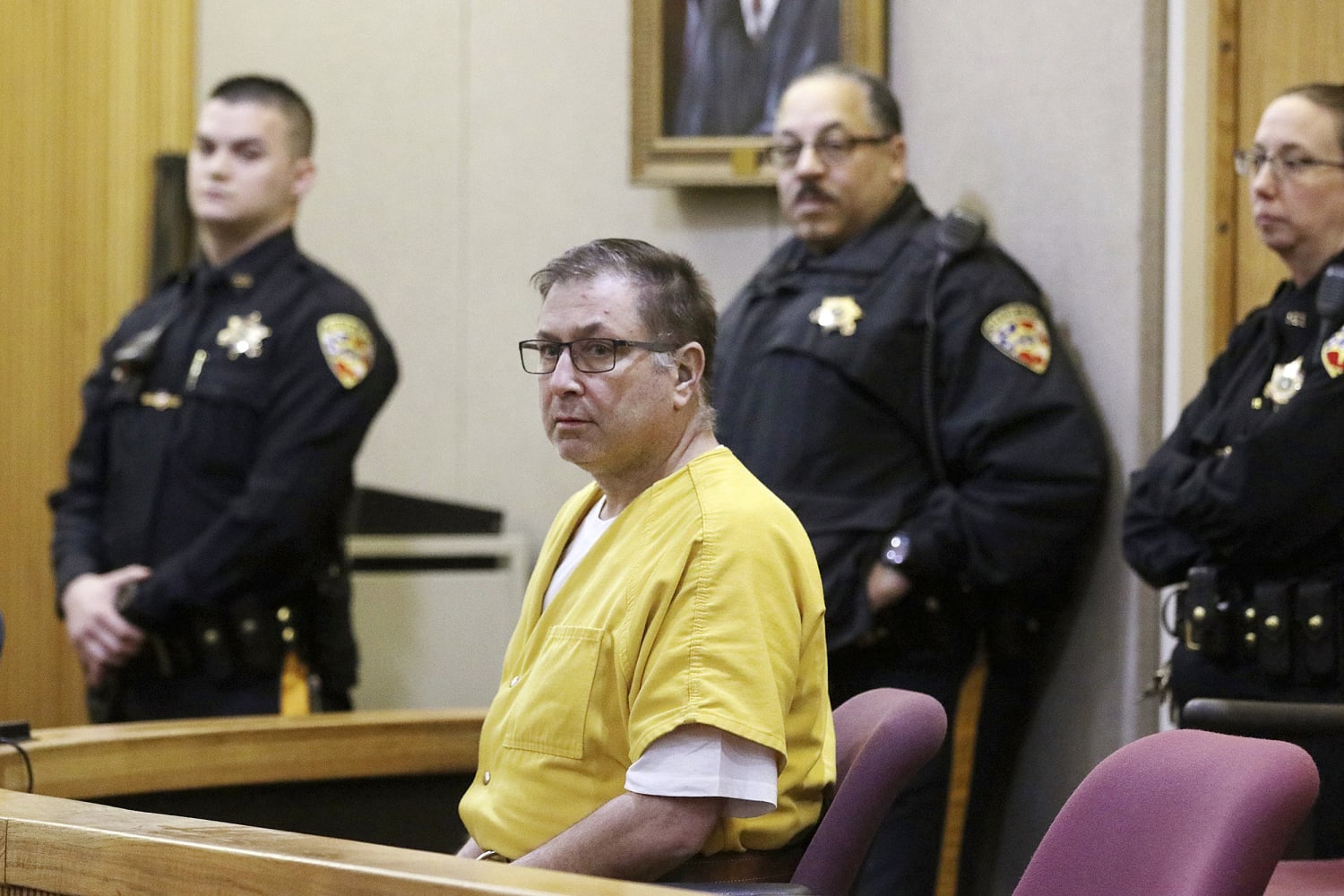
After deliberation, the jury found Paul Caneiro guilty on all counts. Four lives were taken. One family was erased. A brother was convicted of the ultimate betrayal.
What lingers is not just the image of a man led away in handcuffs. It is the uncomfortable truth the case leaves behind. The most devastating violence does not always come from the shadows. Sometimes it grows quietly inside familiar walls, fed by pride, resentment, and the belief that consequences can be burned away.
